
PARD TA32 2.0 35 mm LRF Thermal Monocular – 384×288, ≤15 mK / 15,000 μK
PARD TA32 2.0 35 mm LRF Thermal Monocular – 384×288, ≤15 mK / 15,000 μK
- Brand:PARD®
- Product Code: TA32 2.0 35 mm LRF – 384×288, ≤15 mK / 15 000 μK
- Availability: In Stock
1,189.00 € / 2,325.48 лв.
1,330.00 € / 2,601.25 лв.19 09 2026 26 09 2026
Buy with

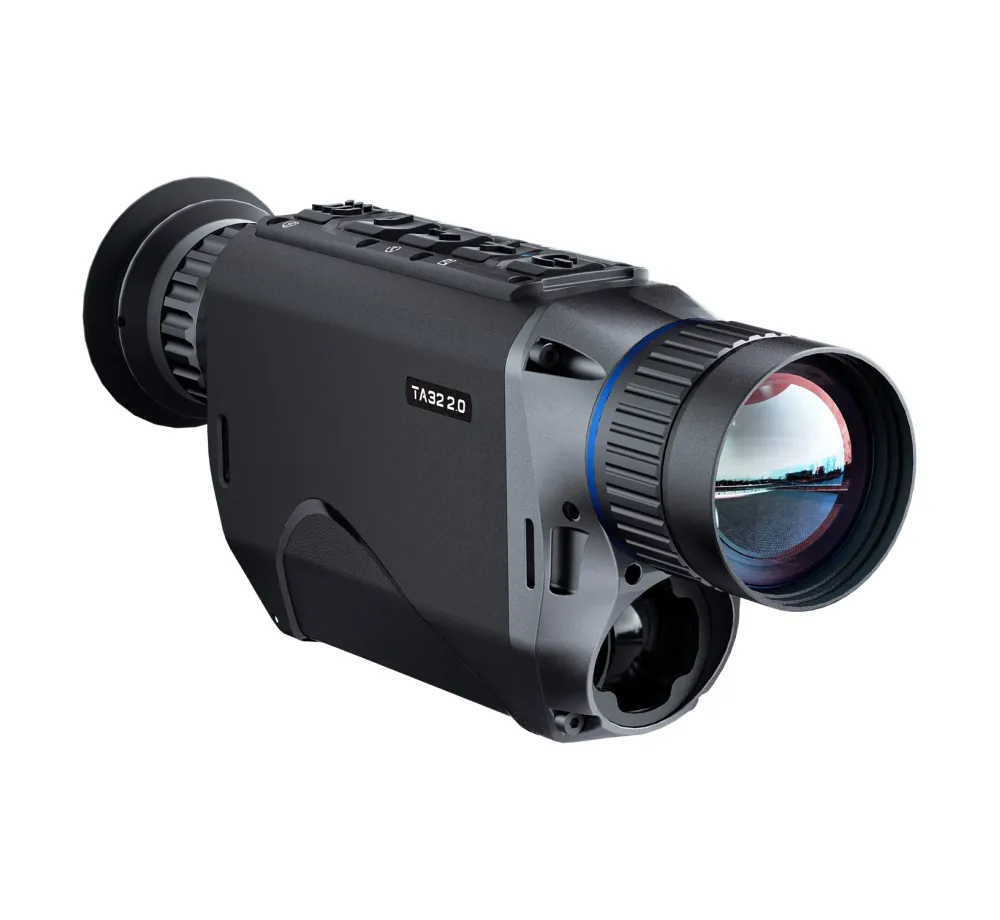
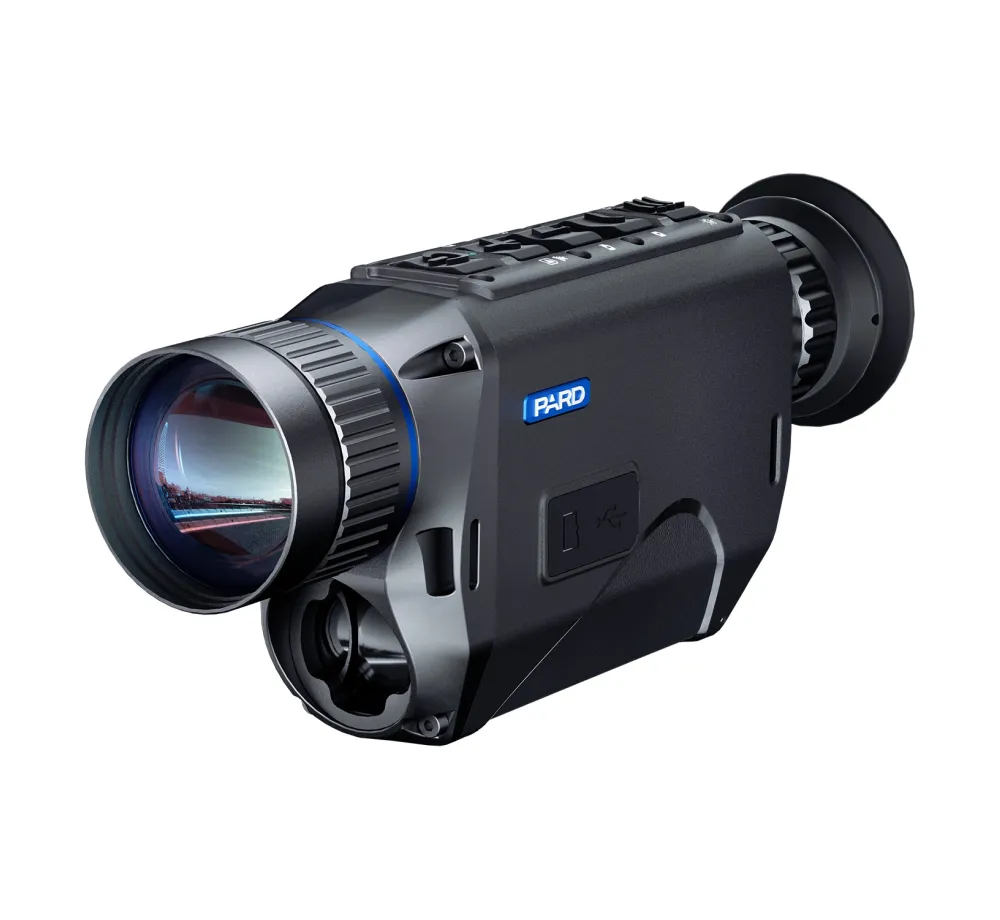
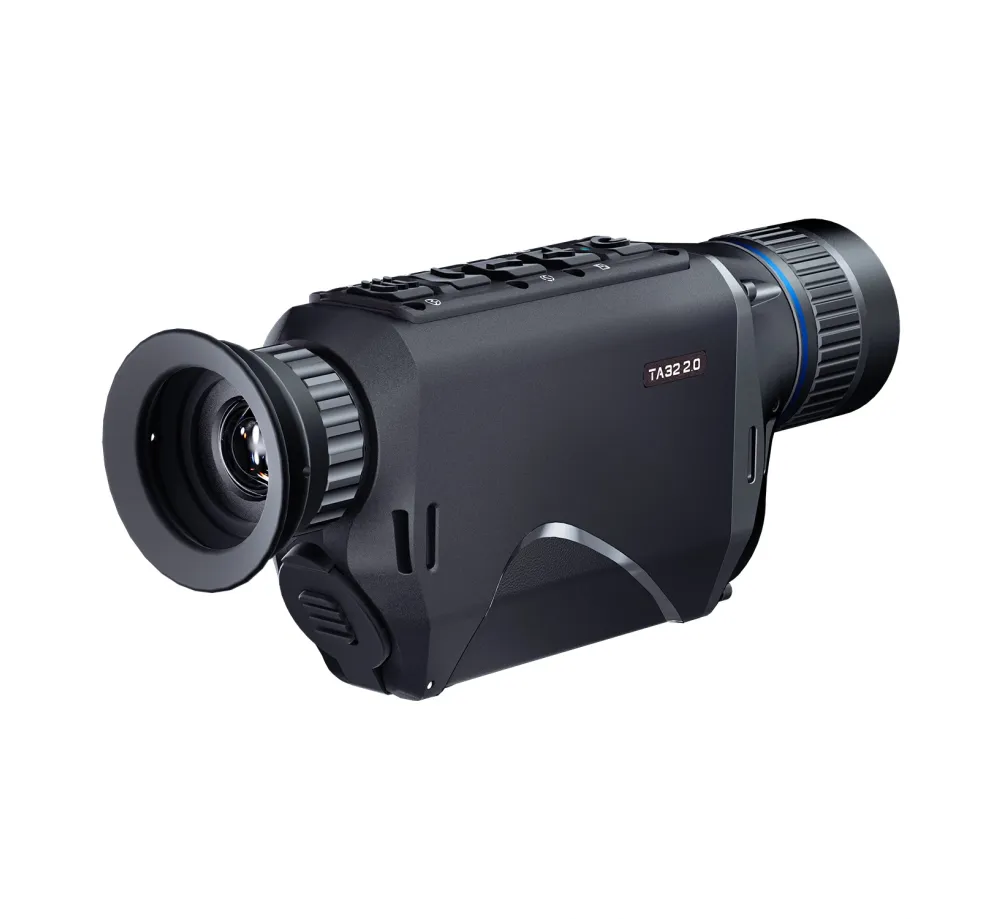
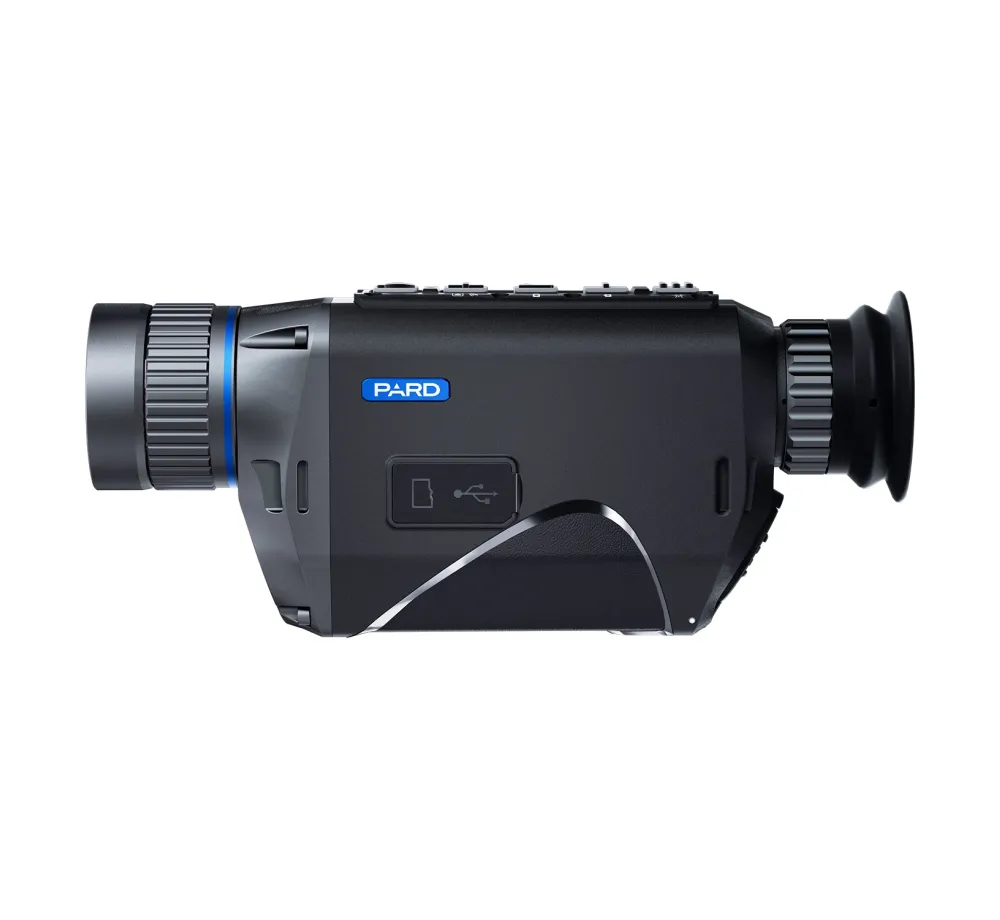
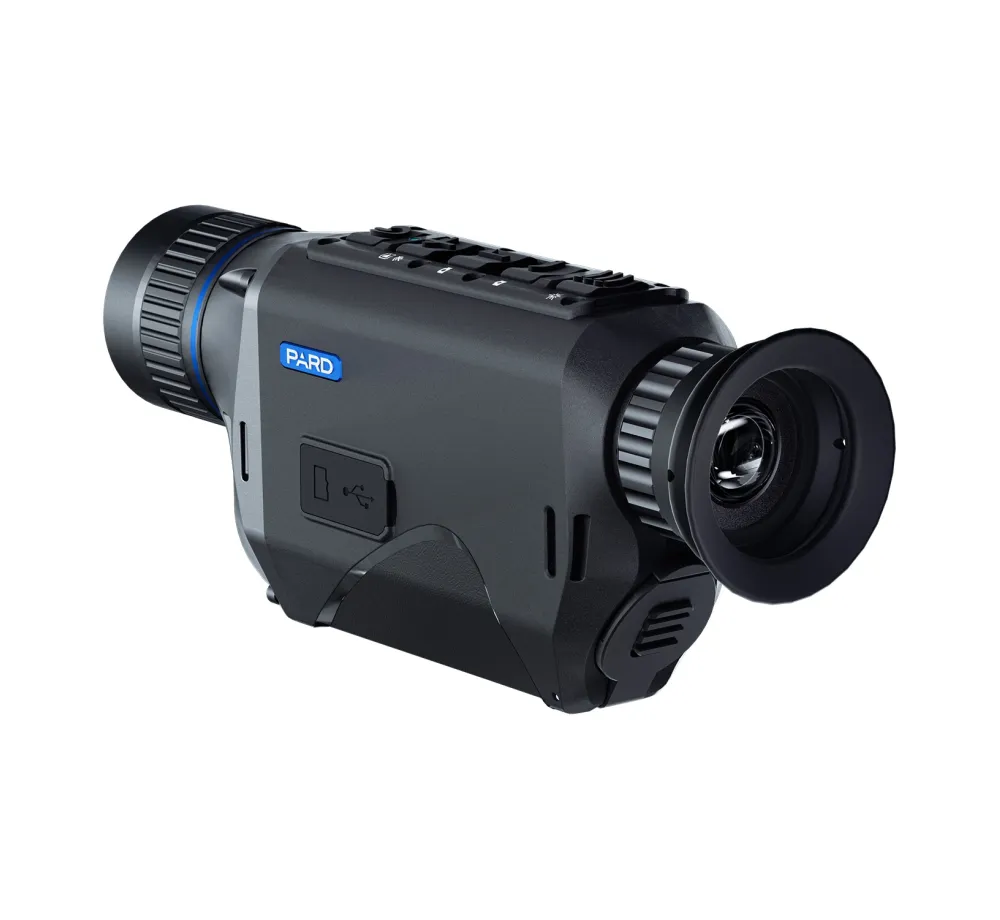
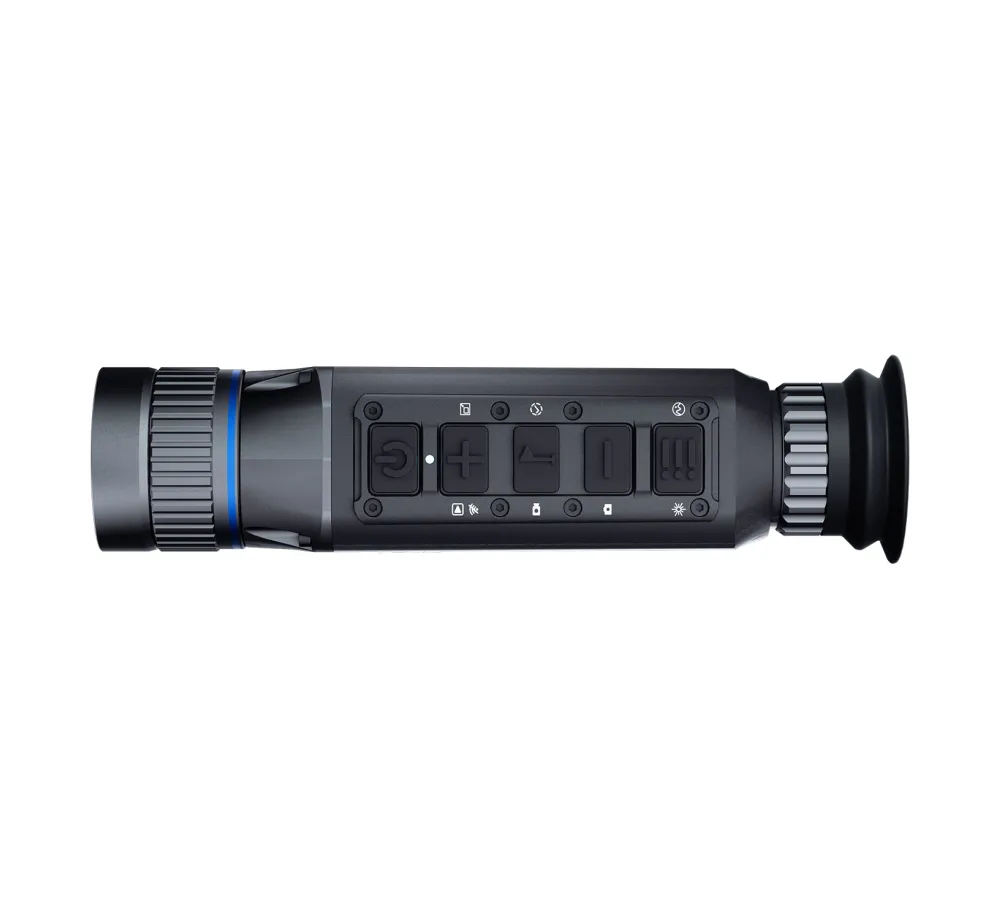
PARD TA32 2.0 TA322-35/LRF is a new-generation compact thermal imaging monocular for 2026, combining a 384×288 VOx / 12 μm uncooled sensor, exceptional thermal sensitivity of NETD ≤15 mK / ≤15,000 μK, a 35 mm multi-coated all-glass objective, 4.3× base magnification, Full HD OLED display and an integrated laser rangefinder with a measuring range of up to 1000 m in a body weighing only 355 g.
TA32 2.0 is built around a clear concept: keep the thermal monocular compact enough for prolonged carrying without compromising the most important imaging specifications. The unit measures only 170 × 70 × 42 mm and weighs 355 g with the battery. Inside this compact body, PARD combines a 384×288 / 12 μm thermal module, NETD ≤15 mK, 35 mm optics, Full HD OLED display, integrated LRF and intelligent observation and recording functions.
Thermal detector with a 12 × 12 μm pixel pitch and 50 Hz refresh rate for detailed, smooth thermal imaging.
The lower the NETD value, the smaller the temperature differences the thermal sensor can distinguish.
The high-resolution eyepiece display shows the thermal scene, interface and LRF information with excellent clarity.
This is not the sensor resolution. It is a measurement of the thermal system's ability to distinguish extremely small temperature differences.
NETD – Noise Equivalent Temperature Difference describes the smallest temperature difference that the thermal imaging system can distinguish above its own noise level.
For PARD TA32 2.0, the specified value is ≤15 mK. Converted to microkelvins, this is ≤15,000 μK.
This parameter becomes particularly important in low-thermal-contrast scenes — for example in high humidity, fog, after rainfall or when the observed object's temperature is very close to the background temperature.
The uncooled VOx detector operates at 384×288 resolution, with a 12×12 μm pixel pitch and 50 Hz refresh rate. The combination provides a balanced relationship between sensitivity, detail, optical size and smooth imaging during movement.
The 12 μm architecture allows a compact optical system while maintaining useful detail with the 35 mm objective.
A 50 Hz refresh rate helps reduce visible image lag during panning and while observing moving objects.
The thermal module does not require visible light or an external infrared illuminator.
PARD uses a 35 mm all-glass multi-coated objective. The exact TA322-35/LRF configuration provides 4.3× base magnification with digital magnification steps of 2× / 4× / 6× / 8×.
The horizontal field of view is 7.5°, the vertical field is 5.7°, and the diagonal field is 9.4°. At 100 m this corresponds to approximately 13.2 × 9.9 m.
The TA322-35/LRF version features an integrated laser rangefinder, specified by PARD with a maximum measuring range of up to 1000 m. Thermal observation and distance measurement are therefore integrated into one compact device.
The stated maximum range of the integrated laser rangefinder is 1000 m.
A separate rangefinder is not required for normal thermal observation and distance measurement.
The measured distance is displayed within the device interface.
The eyepiece display uses OLED technology with 1920×1080 resolution. It clearly visualises the thermal scene, system interface, compass information and measured distance.
Warmer areas are displayed in lighter tones.
Reversed contrast presentation with warmer areas displayed darker.
Colour highlighting of stronger thermal signals.
An additional official image mode for an alternative thermal contrast presentation.
The fifth officially listed thermal image mode of TA32 2.0.
PIP displays a magnified detail while preserving the overall scene.
The function highlights the strongest thermal signal in the observed scene.
The integrated compass adds orientation information during thermal observation.
Integrated Wi-Fi enables connection with the compatible PardVision2 mobile application.
Photos and video are recorded at 1440×1080. JPG and MP4 formats are supported.
The device officially supports audio recording with video.
Recordings can be stored on a microSD card with capacity up to 128 GB.
TA32 2.0 also supports Auto Recording, Loop Recording, Time Stamp and Standby Mode. Standby Mode allows the display and device to enter a lower-consumption state quickly without a full power-off cycle.
The monocular operates with one 3.7 V lithium-ion 18650 battery.
PARD's current technical specification lists a maximum operating time of ≤5.5 hours.
External power is supported through USB Type-C.
The body combines AL6061 aluminium and composite components. At only 170 × 70 × 42 mm and 355 g with the battery installed, TA32 2.0 is designed for one-handed operation and comfortable prolonged carrying.
Compact dimensions for easy carrying in field equipment.
The weight specified by PARD includes the installed battery.
Combined construction for durability with low overall weight.
This official PARD video introduces the new-generation TA32 2.0, showing its compact dimensions and key functions and specifications.
Official PARD presentation of the TA32 2.0.
PARD TA32 2.0 is a handheld thermal imaging monocular. Its primary purpose is thermal observation, terrain scanning, detection of thermal objects and distance measurement through the integrated LRF. It should not be confused with PARD Pantera, Ocelot or other weapon-mounted thermal sights.
Where applicable and subject to approval, the product may be purchased through a tbi bank financing plan. The term, monthly instalment and final conditions depend on the current financial offer and individual approval.
This is PARD TA32 2.0 with 35 mm objective and integrated laser rangefinder: TA322-35/LRF.
Yes. TA32 2.0 is the new generation of PARD's compact thermal monocular, introduced in 2026.
NETD represents the thermal system's ability to distinguish very small temperature differences. A lower value indicates higher thermal sensitivity. TA32 2.0 is specified at ≤15 mK.
15 mK equals 15,000 μK. Therefore NETD ≤15 mK can also be expressed as NETD ≤15,000 μK.
For a temperature difference — yes. The official PARD specification states ≤15 mK / 0.015°C.
An uncooled VOx sensor with 384×288 resolution, 12×12 μm pixel pitch and 50 Hz refresh rate.
PARD states up to 1800 m. This is a thermal detection distance, not a guaranteed identification distance.
The officially stated maximum LRF measuring distance is up to 1000 m.
The 35 mm version provides 4.3× base magnification with 2×, 4×, 6× and 8× digital zoom steps.
OLED with 1920×1080 resolution.
The officially listed modes are WT-HOT, BK-HOT, RD-HOT, IN-HOT and SKY.
Yes. PARD officially lists Hot Track as a TA32 2.0 function.
Yes. It has integrated Wi-Fi and supports the PardVision2 application.
Yes. It supports 1440×1080 photo and video recording, JPG / MP4 formats and audio recording.
microSD cards up to 128 GB.
One replaceable 3.7 V lithium-ion 18650 battery.
PARD's current official technical specification states a maximum operating time of up to 5.5 hours.
No. TA32 2.0 is a handheld thermal observation monocular with integrated LRF.
For current availability, information about PARD TA322-35/LRF, help with initial setup or advice on compatible thermal and digital devices, contact the MoskovHunt team.
 -13%
-13%
PARD Night Stalker 4K eX 70mm – 4K Digital Day/Night Scope, Round OLED, IR 850 Option & LRF Module Option
889.00 € / 1,738.73 лв. 1,021.56 € / 1,998.00 лв.
 -14%
-14%
PARD Pantera eX 640 50mm LRF Thermal Scope – Ultra-Sensitive 640×512 Sensor, 2560×2560 OLED, IP67
2,590.00 € / 5,065.60 лв. 2,998.73 € / 5,865.01 лв.
-305x285.jpg "Omnix Six-in-One | 6-in-1 Portable Hunting & Off-Road Power Station (2000A, 150 PSI, 14000mAh)") -25%
-25%
Omnix Six-in-One | 6-in-1 Portable Hunting & Off-Road Power Station (2000A, 150 PSI, 14000mAh)
150.00 € / 293.37 лв. 200.00 € / 391.17 лв.
 -9%
-9%
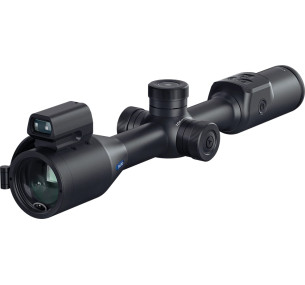
PARD Night Stalker 4K 2.0 70 mm LRF Digital Night Vision Scope
724.00 € / 1,416.02 лв. 799.00 € / 1,562.71 лв.
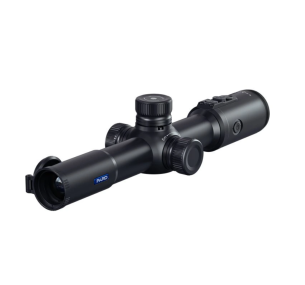
PARD Pantera 256 Mini PA2M-25 Thermal Scope NETD ≤15 mK
799.00 € / 1,562.71 лв.
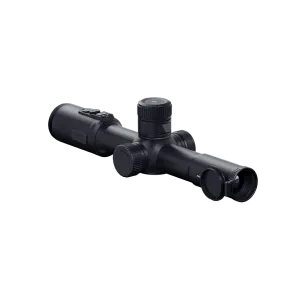
PARD Pantera 384 Mini 35 mm LRF Thermal Scope – 384×288, NETD ≤15 mK
1,499.00 € / 2,931.79 лв.
PARD Pantera 384 Mini 25mm LRF Thermal Scope – 384×288, ≤15mK, Rangefinder
1,299.00 € / 2,540.62 лв.
 -14%
-14%
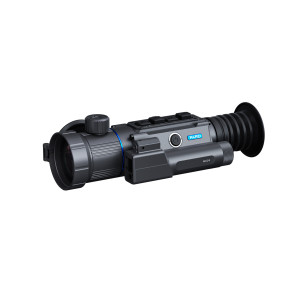
PARD Ocelot 640 Q 50mm LRF – 640×512, NETD ≤18 mK
2,098.00 € / 4,103.33 лв. 2,452.00 € / 4,795.70 лв.